What Is Gender Identity?

-
15 January 2026
-
05 June 2026

Gender identity is a fundamental aspect of how individuals understand themselves and relate to the world. Although often discussed alongside sex, gender identity is not determined solely by biology. Instead, it reflects a person’s deeply felt sense of being male, female, both, neither, or something else entirely. In recent years, the concept has gained increased attention in social science, psychology, education, and public discourse, making clear definitions and accurate explanations especially important.
This article explores what gender identity is, how it develops, how it differs from related concepts, and why it matters in everyday life.
Defining Gender Identity
Gender identity refers to an individual’s internal and personal sense of their own gender. It is how a person experiences and names their gender, regardless of the sex assigned to them at birth. This sense of identity may align with societal expectations associated with male or female categories, or it may not.
Unlike physical characteristics, gender identity is subjective. It exists within a person’s self-concept and may or may not be visible to others. While many people experience their gender identity as stable throughout life, others may find that it evolves over time as their self-understanding deepens.
Gender Identity and Biological Sex: Key Differences
One of the most common sources of confusion is the distinction between gender identity and biological sex. Biological sex is typically assigned at birth based on physical traits such as chromosomes, reproductive organs, and hormones. Gender identity, by contrast, relates to personal identity and psychological experience.
To clarify, these concepts differ in several important ways:
- Biological sex is based on physical attributes.
- Gender identity is an internal sense of self.
- Gender roles are social expectations linked to gender.
- Gender expression refers to outward presentation, such as clothing or behavior.
Understanding these distinctions helps explain why gender identity cannot be determined solely by appearance or anatomy.
How Gender Identity Develops
Gender identity development is a complex process influenced by biological, psychological, and social factors. Research suggests that most people become aware of their gender identity early in childhood, often between the ages of three and five. At this stage, children begin to recognize gender categories and identify themselves within them.
However, awareness does not always mean clarity. For some individuals, especially those whose gender identity differs from societal expectations, understanding may take longer. Adolescence and early adulthood are common periods for reflection, as individuals gain language, social context, and personal autonomy.
Importantly, gender identity is not something that can be imposed externally. It emerges through self-awareness and personal experience rather than instruction or choice.
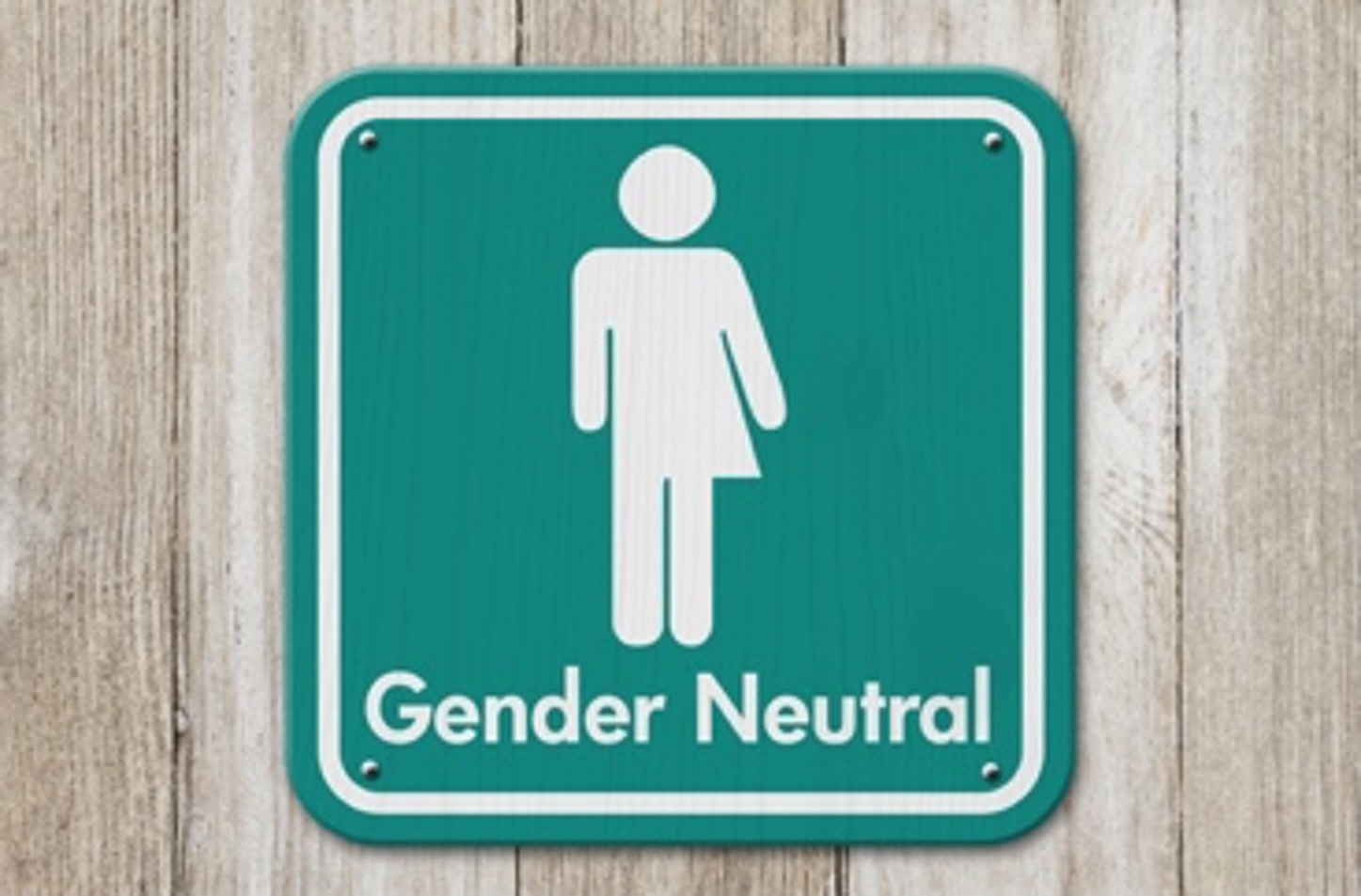
Common Types of Gender Identity
While many people identify as male or female, gender identity exists on a broader spectrum. Language has evolved to describe these experiences more precisely, though terms may vary across cultures and time periods.
Some commonly recognized gender identities include:
- Cisgender - a gender identity that aligns with sex assigned at birth.
- Transgender - a gender identity that differs from sex assigned at birth.
- Non-binary - identities that do not fit exclusively into male or female categories.
- Genderfluid - identities that change over time or across contexts.
- Agender - identifying with no gender or a neutral gender.
These categories are descriptive rather than prescriptive. Individuals may use different terms or none at all to describe their experience.
Gender Identity vs. Gender Expression
Gender identity should not be confused with gender expression. Gender expression refers to how a person presents themselves outwardly, through clothing, hairstyle, speech, or mannerisms. While expression can reflect identity, the two are not the same.
For example, a person may identify as male while expressing themselves in ways that do not conform to traditional masculine norms. Similarly, someone may adopt gender-neutral clothing without identifying as non-binary.
This distinction highlights that gender identity is internal, while gender expression is shaped by personal choice and cultural context.
Psychological and Social Dimensions
Gender identity plays an important role in psychological well-being. When individuals feel able to understand and express their identity authentically, they often report higher levels of self-esteem and emotional stability. Conversely, confusion, suppression, or social rejection related to gender identity can contribute to stress and anxiety.
Social recognition also matters. Being addressed by a chosen name or pronouns, for example, can reinforce a sense of personal dignity. These interactions affect daily life, from education and employment to family relationships and social participation.
However, it is important to note that gender identity alone does not determine mental health. Support systems, cultural attitudes, and personal resilience all influence outcomes.
Cultural Perspectives on Gender Identity
Concepts of gender identity vary across cultures. While many Western societies have historically emphasized a binary model of gender, other cultures have long recognized additional gender categories. These perspectives demonstrate that gender identity is not solely a modern concept but has been understood in diverse ways throughout history.
Cultural norms influence how gender identity is expressed, discussed, and accepted. In some societies, gender diversity is integrated into social structures, while in others it remains stigmatized or misunderstood.
This variation highlights the importance of cultural context when discussing gender identity and avoiding assumptions based on a single worldview.
What Gender Identity Is Not
To understand gender identity clearly, it is also helpful to address common misconceptions. Gender identity is often confused with other aspects of human experience, but they are not the same.
Gender identity is not:
- Sexual orientation
- A personality trait
- A lifestyle choice
- A trend or phase
- A measure of morality or character
Sexual orientation relates to whom a person is attracted to, while gender identity relates to who a person is. These aspects are independent, though they may intersect in personal experience.

Why Gender Identity Matters in Everyday Life
Gender identity affects many areas of life, including healthcare, education, legal systems, and interpersonal relationships. Accurate understanding allows institutions to respond more effectively to individual needs and promotes respectful interaction.
In practical terms, recognizing gender identity can influence:
- How people are addressed in social and professional settings
- Access to appropriate healthcare services
- Personal safety and social inclusion
- Legal documentation and rights
Awareness does not require agreement on every social issue, but it does require clarity and respect for individual experience.
Gender Identity Across the Lifespan
Gender identity is not static for everyone. While many people experience consistency throughout life, others may reinterpret or rename their identity as they gain insight and language. This does not mean that gender identity is unstable; rather, understanding deepens over time.
Life transitions such as puberty, parenthood, or aging can prompt reflection. Social environment, relationships, and personal growth all contribute to how individuals relate to their gender identity at different stages.
Conclusion
Gender identity is a deeply personal aspect of human experience that reflects how individuals understand themselves in relation to gender. Distinct from biological sex, gender roles, and sexual orientation, it develops through a combination of self-awareness, psychological factors, and social context.
Rather than fitting into a single model, gender identity exists along a spectrum shaped by culture, language, and personal history. Understanding this concept allows for clearer communication, reduced misunderstanding, and more respectful social interaction.
Ultimately, gender identity is not about categorization alone it is about recognizing the diversity of human experience and the importance of self-understanding in personal and social life.
A systematic review and qualitative research synthesis of the lived experiences and coping of transgender and gender diverse youth 18 years or younger (https://pmc.ncbi.nlm.nih.gov/articles/PMC11268253/), by Kristiina Tyni, Matilda Wurm, Thomas Nordström, Anna Sofia Bratt. Int J Transgend Health. 2024 Jan 12;25(3):352–388. doi: 10.1080/26895269.2023.2295379. Accessed 11 May 2026
The Effects of Gender Trouble: An Integrative Theoretical Framework of the Perpetuation and Disruption of the Gender/Sex Binary (https://journals.sagepub.com/doi/10.1177/1745691620902442), by Thekla Morgenroth, Michelle K. Ryan. First published online May 6, 2020. Accessed 11 May 2026.
Sex, Sexual Orientation, and Gender Identity Measurement in Health Research: A Systematic Review and Narrative Synthesis
(https://pmc.ncbi.nlm.nih.gov/articles/PMC12490734/), by Ashleigh J Rich, Emma L McGorray, Dylan Felt, Maddie Kerr, Carrie Baldwin-SoRelle, Lauren B Beach, Gregory Phillips II, Tonia Poteat. LGBT Health. 2025 Aug 25;12(6):395–406. doi: 10.1089/lgbt.2024.0105. Accessed 11 May 2026


In this article
- Defining Gender Identity
- Gender Identity and Biological Sex
- How Gender Identity Develops
- Common Types of Gender Identity
- Gender Identity vs. Gender Expression
- Psychological and Social Dimensions
- Cultural Perspectives on Gender Identity
- What Gender Identity Is Not
- Why Gender Identity Matters in Everyday Life
- Gender Identity Across the Lifespan
- Conclusion
Related articles


Start Your Personalized Program




.svg)
.svg)