Sequoia at AI ATOM GLOBAL EXPO 2026: How We Spent 3 Days Proving That Men's Health Is Becoming Less of a Taboo

-
20 October 2026
-
20 October 2026

From October 16 to 18, Sequoia took part in AI ATOM GLOBAL EXPO 2026 at the BelExpo exhibition center in Minsk. We had a booth in the MedTech zone, joined a panel discussion, and had more than 350 erectile function assessments completed by visitors.
About the Expo
For three days, AI ATOM GLOBAL EXPO 2026 turned Minsk into a meeting point for AI-powered projects, from early-stage startups to established businesses. Robots, self-driving drift cars, AI-generated music — and there we were, representing Sequoia in the MedTech zone.
According to the organizers, the event attracted tens of thousands of visitors. We don't have the exact numbers yet, but from what we saw, it was one of the busiest exhibitions in Minsk over the past year.
Our Booth: Not Just Good-Looking, but Actually Working!
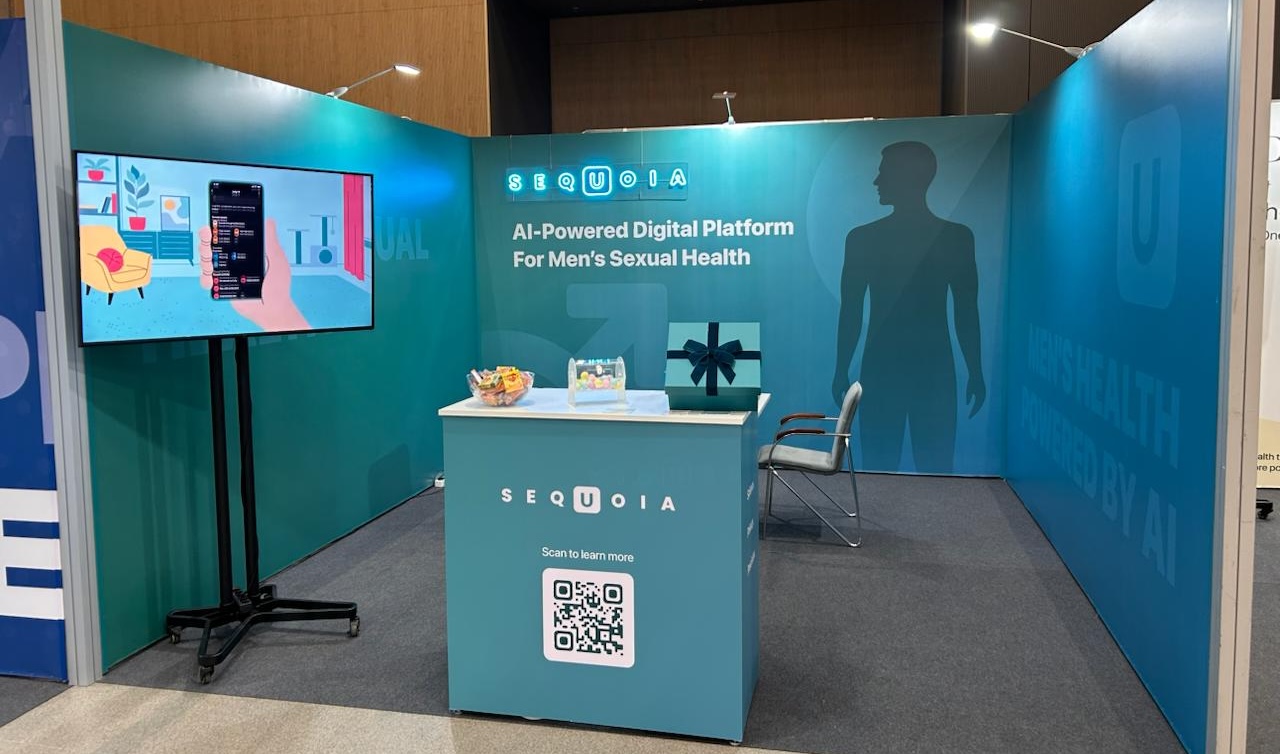
We put a lot of effort into preparing our booth. A neon sign, a 55-inch screen showcasing the app, a meeting area, and a display counter with merchandise and gifts from our partners — Vstrecha, UNFPA, and Loveland.
But the most important part wasn't how the booth looked. It was what we decided to do there.
An Interactive Experience That Attracted a Crowd
Instead of setting up a traditional demo area, we invited visitors to complete the IIEF-5 (International Index of Erectile Function), an internationally recognized screening questionnaire used to assess erectile function.
Everyone who completed the assessment received a number for a chance to win a mystery gift box. We didn't reveal what was inside. But the box was pretty heavy, which made people even more curious.
Well, now we can reveal the secret!
Inside the box were a promo code for a free one-year Sequoia subscription, stickers, condoms and HIV self-tests from Vstrecha, adult toys and lubricants from Loveland, and toiletry bags, travel mugs, and sweatshirts from UNFPA.
3 Key Observations
- Women wanted to take the assessment on behalf of their partners.
Initially, we expected only men to participate. But women showed just as much interest, sometimes even more. Many told us they knew their partner's health just as well as he did, or sometimes even better.
So we let them participate. Of course, the results of an assessment completed by someone else can only be approximate. But the fact that women wanted to take part was already interesting. - People reacted differently — and that's completely normal.
Some agreed immediately. Others felt embarrassed and said, "I'm fine." And some were practically dragged to our booth by their wives.
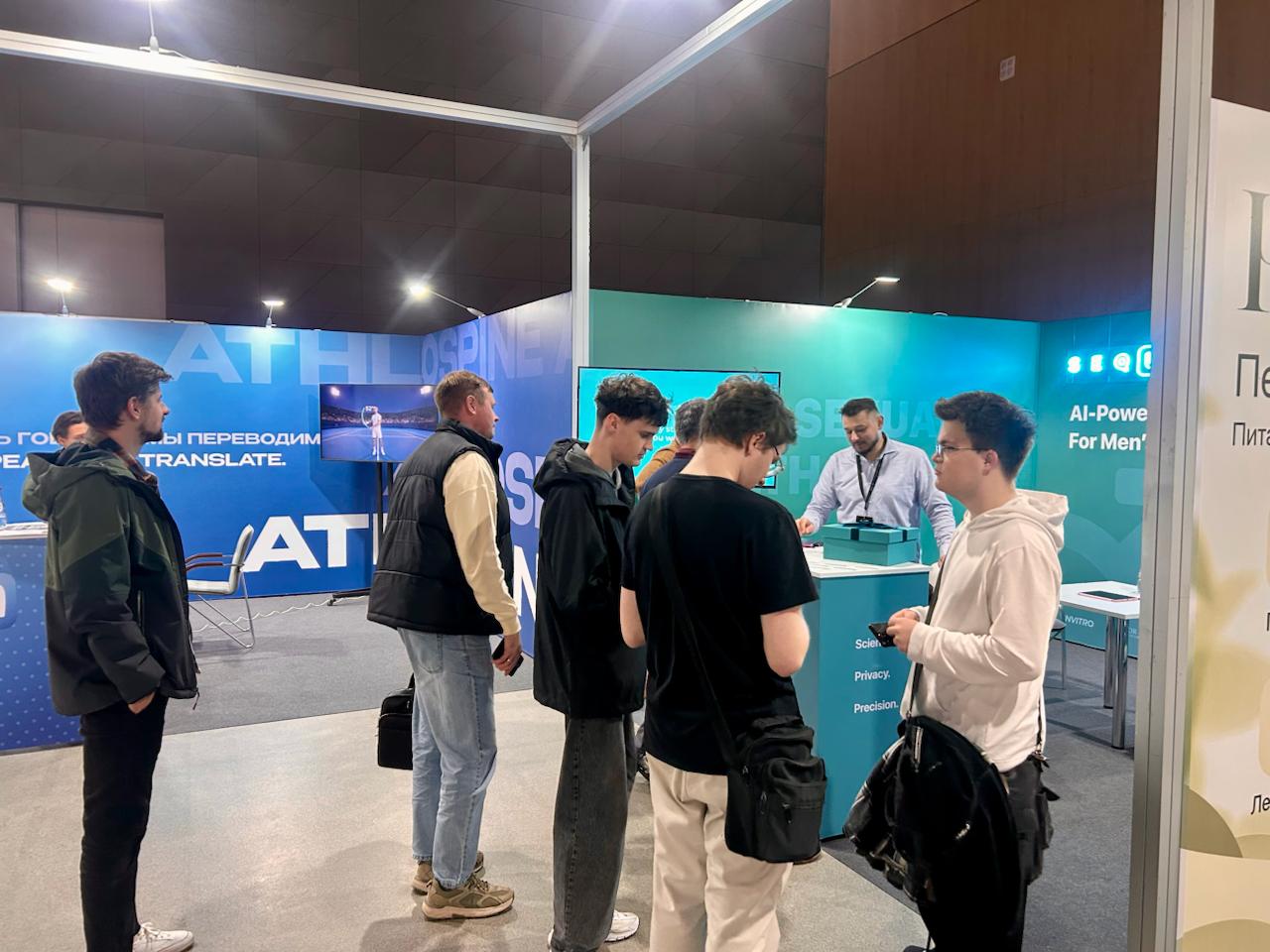
We made the entire process as anonymous as possible. Aliaksey, our CTO, created a separate web page for the assessment. The tablets were placed in a private area; we didn't collect personal data, and the form automatically reset after each submission.
Simple, private, and comfortable. - The line itself became a magnet.
People saw others waiting → came over to find out what was happening → took the assessment → downloaded Sequoia.
A classic conversion funnel powered by social proof.
And the results? Over three days, visitors completed the assessment more than 350 times. We also saw dozens of app downloads, some of which turned into paid subscriptions.
A Quick Reality Check
It might sound like we've made a groundbreaking discovery: "Look! People are finally ready to talk about men's sexual health. It's no longer taboo!"
But we understand that our audience wasn't exactly representative. People attending an AI exhibition are generally more tech-savvy and may be more conscious of their health and lifestyle. So yes, there could be some selection bias here. Maybe even a bit of survivorship bias.
Still, we can see the trend. And we believe it's real.
The Panel Discussion
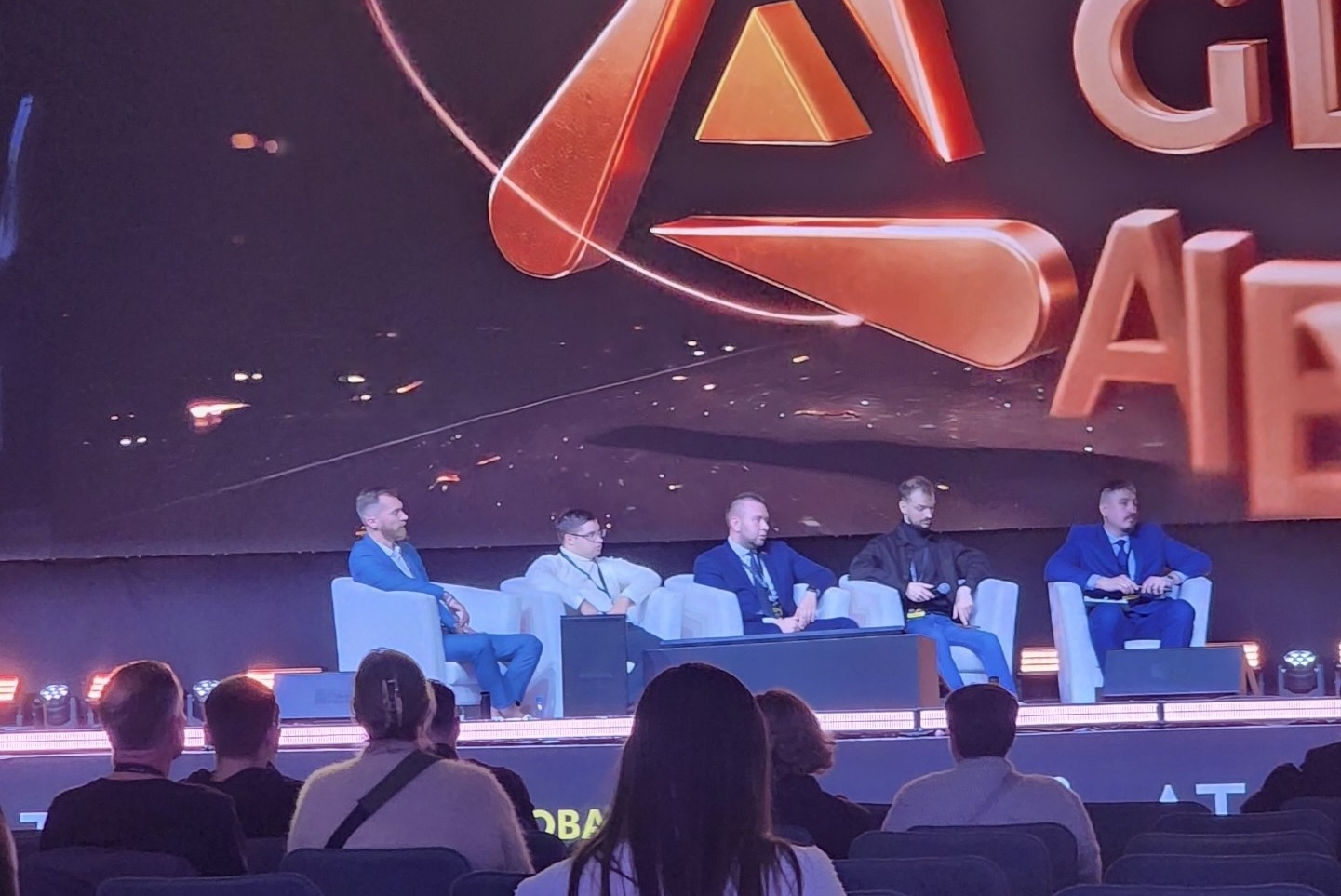
On October 16, I joined a panel discussion alongside representatives of five other MedTech projects. The conversation focused on AI in healthcare and the opportunities for Belarusian medical technology companies entering the US market.
For Dzianis, this was his first experience as a panel speaker. Until now, he'd always been the one sitting in the audience, listening to more experienced CEOs share their knowledge. And now our founder was the one on stage.
A sign of growth? Maybe.
But something else matters even more. Sequoia is no longer being seen simply as an early-stage startup. We were invited to join the MedTech zone and share our experience with other founders and industry professionals.
And that says more than any pitch deck ever could.
Final Thoughts
-
We learned how to build a booth that actually works for the product, rather than just looking nice at an exhibition.
-
Thousands of people discovered Sequoia. Dozens downloaded the app, and some became paying subscribers.
-
Several investors showed interest in Sequoia. We'll share more about that once there are real agreements in place.
-
We saw once again that men's sexual health is slowly becoming less of a taboo. There's still a long way to go, but things are moving in the right direction.
A Special Thank You
A big thank you to our friends and partners — Vstrecha, UNFPA, and Loveland — for helping us put together the gifts for our visitors. We truly appreciate your support!


Start Your Personalized Program



.svg)
.svg)

